Gravity "reconnecting" is a new lens on Einstein, not a broken universe
A mathematical analogy between Einstein's equations and solar-flare physics is a clever theoretical result. It's a new way to read gravity, not proof that gravity breaks.
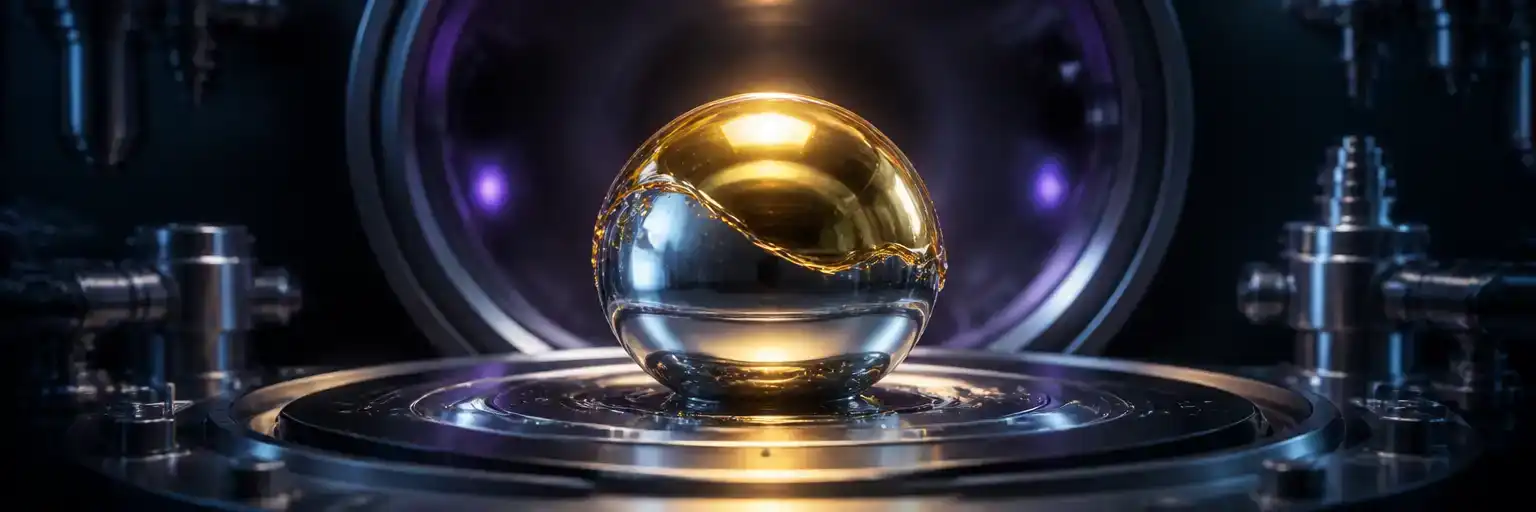
A golden, conductive film of water that vanishes in seconds is no technology, but it shows how matter behaves at extremes without needing a planet's core.
The death of Claude Cohen-Tannoudji is a reminder that cooling atoms with light began as basic research, and that no one can plan that kind of payoff in advance.
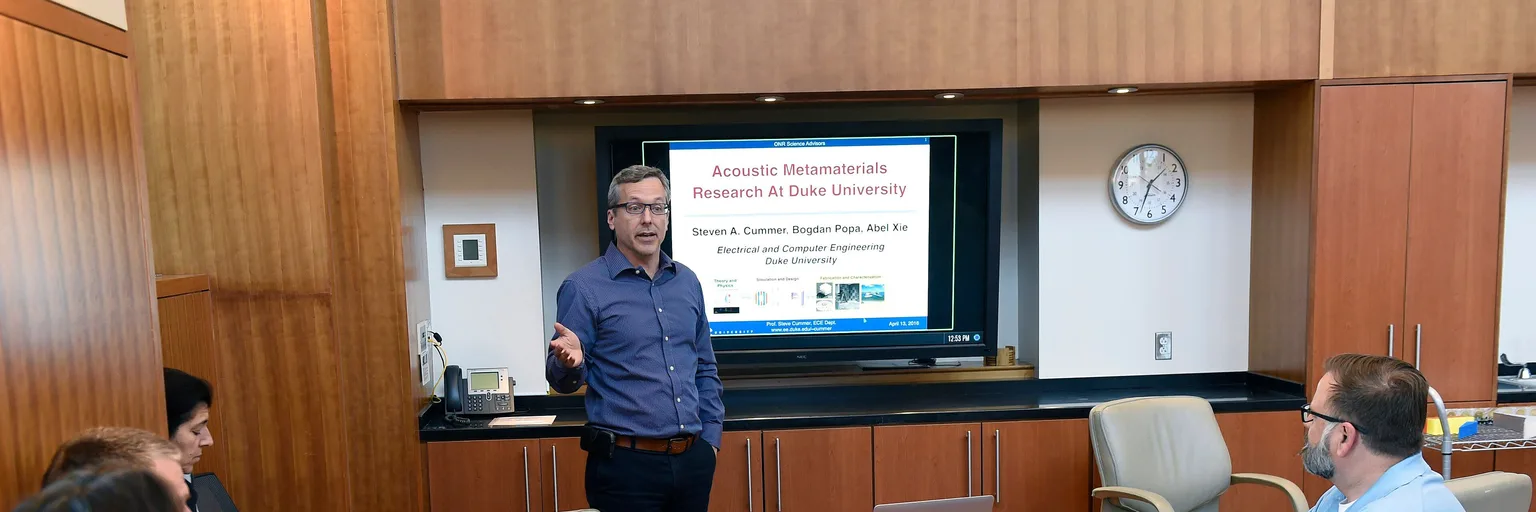
A pair of Nature studies may connect critical phenomena with topology, but the real test is whether this bridge survives replication beyond carefully engineered acoustic systems.
New experiments do not solve superconductivity, but they expose hidden competition that could make the search for its microscopic mechanism far more precise.
A new helium measurement narrows the margin of error to 0.5%, turning the Universe’s first five minutes into a demanding test of cosmology and particle physics.
A landmark collaboration between CERN and Mistral AI signals a future where advanced foundation models are indispensable allies in unraveling the universe's most profound mysteries, not mere tools.
Recent findings by physicists at Queen Mary University of London reveal that the universe's fundamental constants are not just tuned for matter, but precisely for the liquid flow essential to all known life.
OpenAI's recent mathematical achievements signal a profound shift, demonstrating how artificial intelligence is not just a tool, but a catalyst for fundamental scientific progress.
Nobel laureate Eric Cornell argues that the relentless pursuit of new questions and the inherent joy of discovery are the true engines of scientific advancement, distinguishing human ingenuity from mere problem-solving.