BepiColombo's eight-year wait shows Mercury deserves more than one visitor
The probe's arrival rewards slow, costly patience. It also exposes how little attention the innermost rocky planet has received: BepiColombo is only the second orbiter.
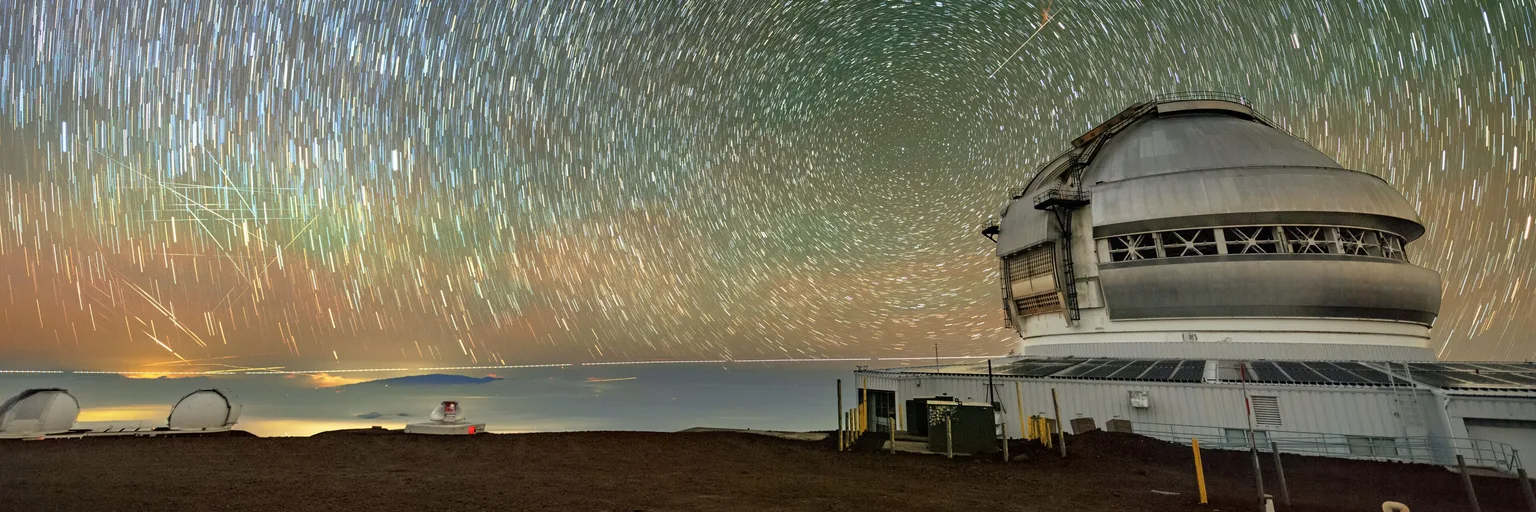
Photo: European Space Agency / Wikimedia Commons (CC BY-SA 3.0 igo)
Mercury is, on paper, one of our closest neighbors. So why does it take eight years to get there, and why have we sent so few visitors? BepiColombo's arrival this Saturday is a good moment to ask whether we have been ignoring the most awkward planet in the inner solar system.
The facts first. The European-Japanese probe, launched on October 20, 2018, is due to enter orbit around Mercury on November 21, 2026. The Guardian describes it as only the second mission in history to circle the planet. According to HNA, the trip covered roughly 9.7 billion kilometers, and the mission costs 1.6 billion euros. The two orbiters, ESA's MPO and JAXA's Mio, are due to separate on December 9-10, according to ESA. After that, two spacecraft will fly around Mercury at the same time for the first time.
Getting close to the Sun is a braking problem, not a speed problem
The intuition that a nearby planet should be easy to reach is wrong. Mercury sits deep in the Sun's gravity well, so a probe arriving from Earth gains speed and has to shed it. As science.orf.at explains, the route had to be shaped so the craft was pulled too strongly neither by the Sun nor by Mercury. That took six flybys of the planet and a long stretch of propulsion from the transfer module.
We think this is the real lesson. Eight years looks absurd next to the news cycle, but it is probably the cheapest way to do a hard thing. Brute force would likely have meant far more fuel and a far bigger bill. Patience was the engineering solution, not a side effect of it.
The hardware did its quiet job, and that is the underrated story
The same ORF report notes that BepiColombo has to endure temperatures from roughly minus 180 to plus 450 degrees Celsius. A materials scientist at Montanuniversität Leoben, Barbara Putz, tested the insulation foils for months before launch. Swiss researchers at Empa joined the complex heating structures of titanium and special ceramic inside the Japanese orbiter's neutral-particle detector.
Nobody writes headlines about foils and ceramic joints. But an eight-year cruise is, in effect, a long reliability test. HNA reports that the British-led X-ray imager MIXS shows no radiation damage after eight years in flight, according to its lead scientist Emma Bunce. That is a quiet vote of confidence in decades-old planning.
One caution: arrival is not the finish line. The ORF report says the probe must still brake several times in the coming weeks, and Techtimes' headline says the capture involves 16 maneuvers rather than one final burn. First science data are expected in April, so the celebration should wait for the instruments.
The most neglected rocky world has the most interesting question
Mercury is the smallest planet in the solar system, and as the ORF report notes, it is the only rocky planet besides Earth with a global magnetic field. Venus and Mars have none. Daniel Schmid, who leads the Austrian research group behind Mio's magnetometer, says measuring that field is important for finding out why. Our reading: if we want to understand why Earth is Earth, we need the one comparison planet that shares this trait with us.
Yet the mission's primary phase is expected to last only about one Earth year, per New Scientist. It took eight years to arrive and gets roughly a year of core science. Whether it is extended is a matter of speculation, but we would argue it should be.
Our verdict
BepiColombo proves that hard places reward patience and international teamwork. The less comfortable lesson is that Mercury was neglected because it is awkward, not because it is dull. We should treat this arrival as the start of a conversation about going back sooner rather than after another long gap. Until the April data arrive, the right posture is applause with a raised eyebrow: the hard part of the trip is done, and the science has barely begun.
No topics yet: start the first one.
More stories
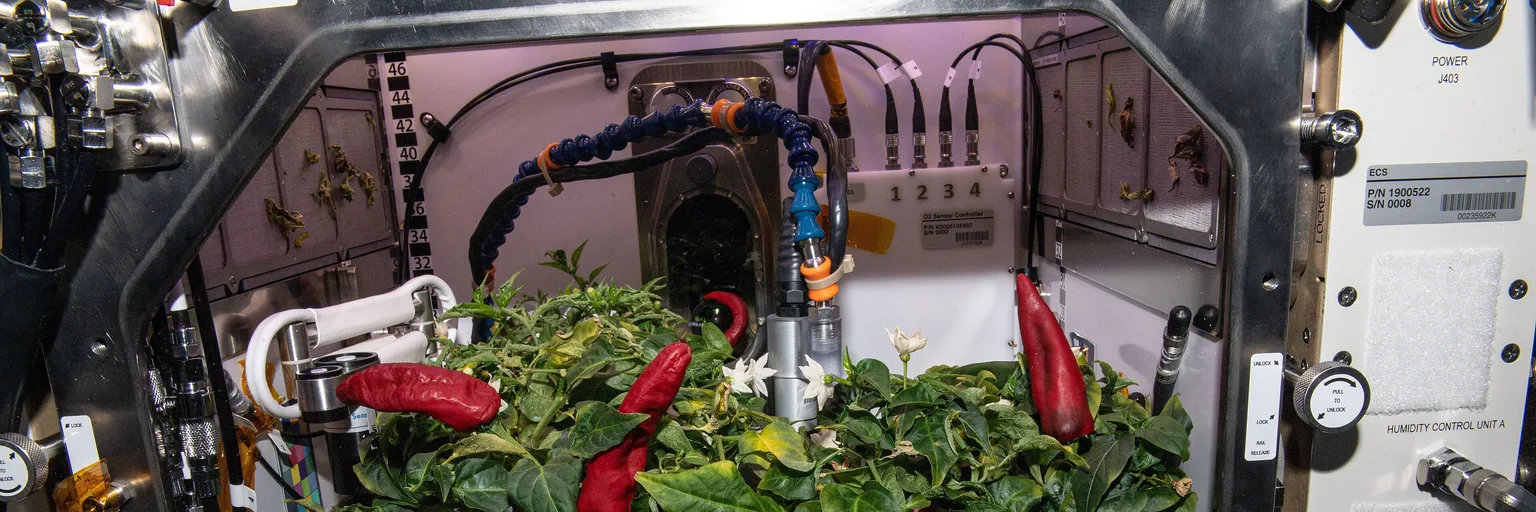
Space farming's real test isn't lettuce: it's boring, repeatable harvests
NASA calls Ohalo III the first operational crop system in space. Judge it on yield, reliability and crew time, not on the novelty of a leaf grown in orbit.
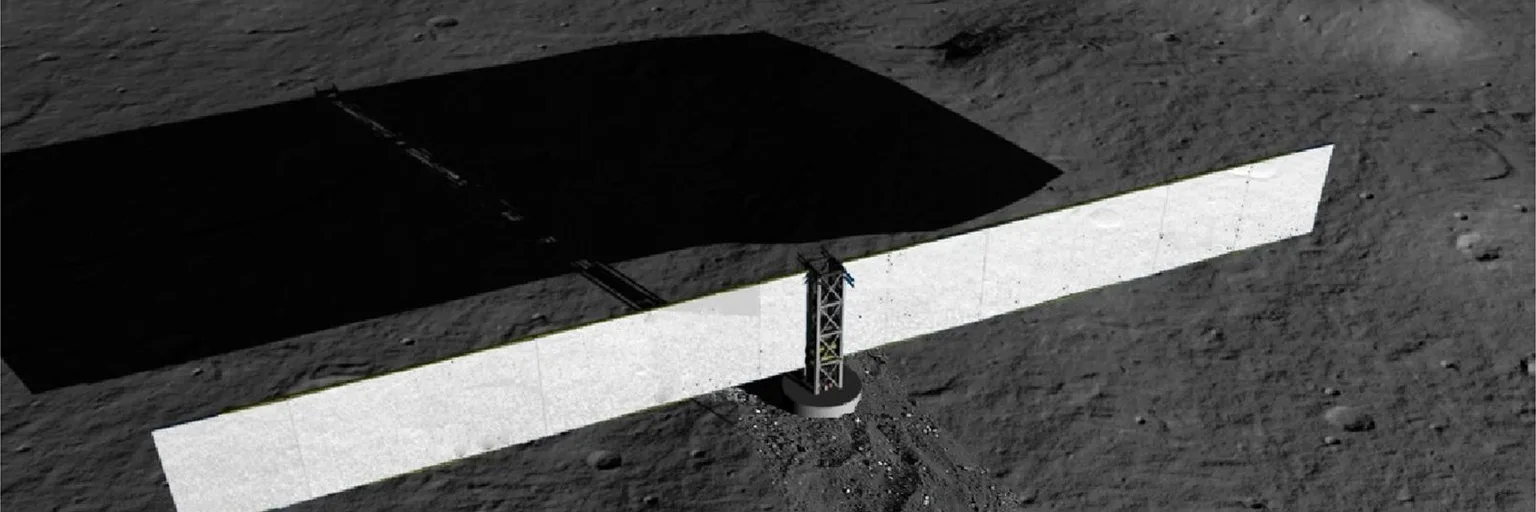
NASA's 20-kilowatt Moon reactor is a downgrade that may be the smart bet
Cutting the lunar reactor from 100 kW to 20 kW looks like a retreat, but a small reactor that actually flies beats a big one on paper.
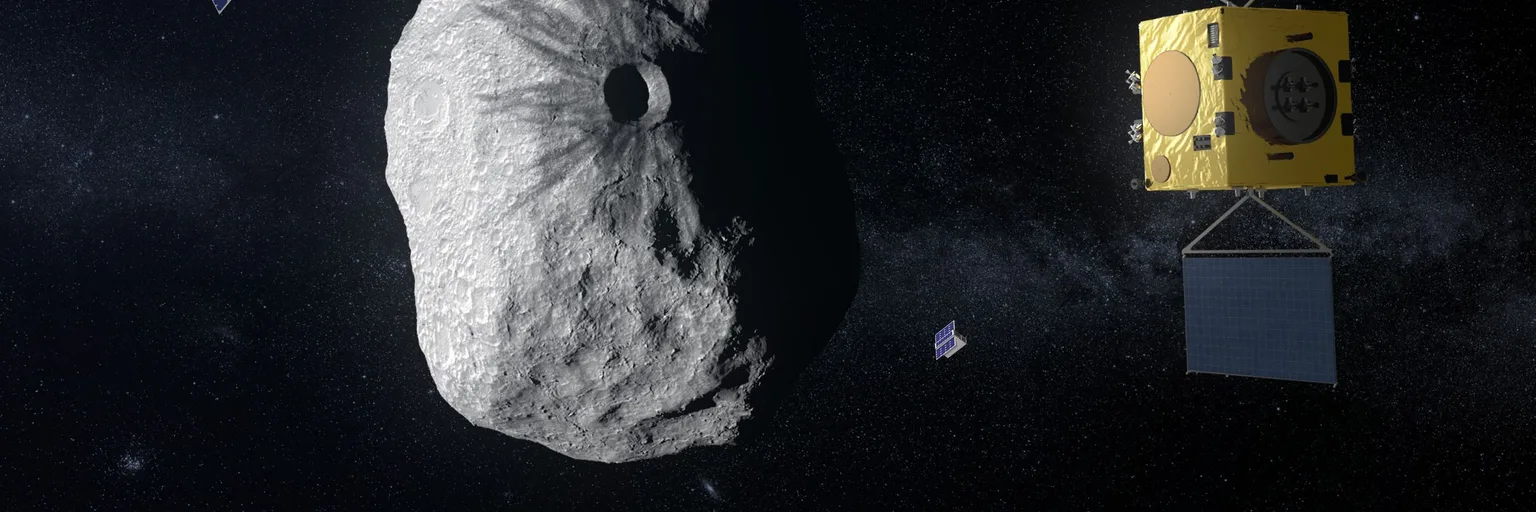
Dimorphos' crater is a data point, not a safety guarantee
Hera's first images of the DART crater are striking, but their value lies in what they say about how an asteroid takes a hit, not in any promise that Earth is covered.
A million satellites approved: the FCC gave SpaceX a permit, not a plan
The FCC's green light for up to one million Starmind data-center satellites settles a paperwork question. Physics, launch capacity, debris and the night sky are still open.